What Does My Child Actually Learn in a Minecraft Club?
Behind the blocks and the laughter, a well run Minecraft club builds teamwork, problem solving and self confidence. Here is what happens in a session, and what you can ask your child afterwards.
3 min read
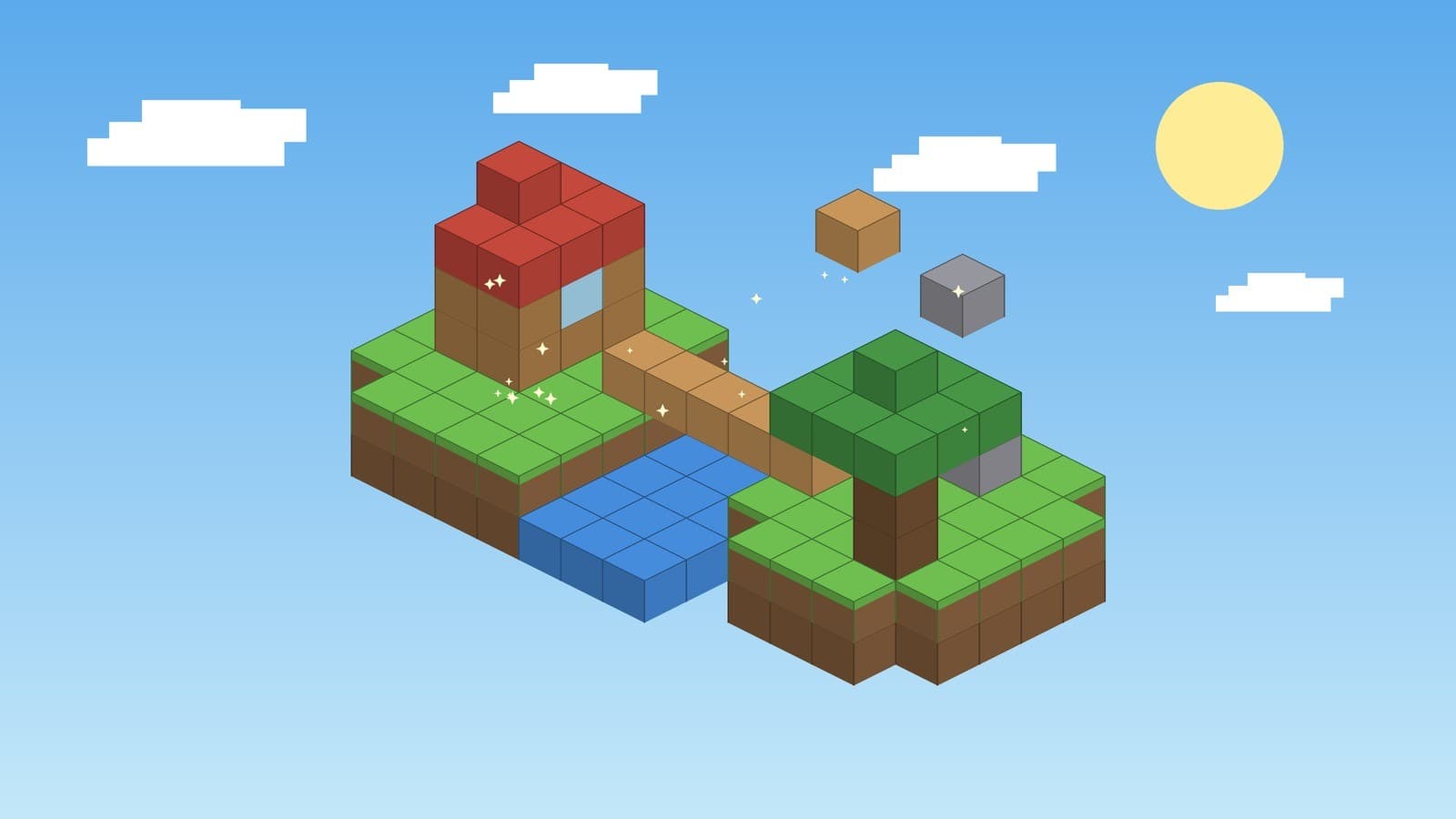
When parents first hear about a Minecraft club, the question is often the same: isn't that just more screen time? It is a fair question. The honest answer is that it depends entirely on how the game is used. Left alone, Minecraft is a sandbox. In a guided club, it becomes a shared classroom where children practise skills they will need far beyond the game.
A game children already speak fluently
Most children arrive already knowing how to play. That matters more than it seems. When the tool is familiar, children stop worrying about how and start thinking about what and why. Shy children who rarely raise a hand at school often turn into the expert who shows others how to build a redstone door.
What a club session looks like
At School of Gaming, every session follows our Playful Learning Method. A trained game educator leads the group through a clear structure:
- A shared goal. The group gets a challenge, such as building a village that survives its first night or designing a bridge across a canyon.
- Planning together. Children divide roles, agree on materials and decide who does what.
- Building and testing. Things break. Plans change. That is part of the point.
- Reflecting. At the end, the educator asks what worked, what did not and what the team would do differently.
The skills that grow along the way
- Teamwork and communication. Building something big together means listening, negotiating and sometimes accepting that your idea was not the one chosen.
- Problem solving. When the roof collapses or the farm will not grow, children have to work out why and try again.
- Creativity with constraints. Limited time and resources push children to find clever solutions rather than endless ones.
- Emotional skills. Losing a build to a creeper is frustrating. Learning to handle that frustration with friends around you is a real life skill.
- Digital citizenship. Educators model fair play, kind language and safe behaviour online, so good habits form in a setting that feels natural.
How it differs from playing at home
The game is the same, but the experience is not. At home, play is usually solo or with whoever is online. In a club, there is a trained adult, a group of peers in the same room, a goal that goes beyond winning, and time to talk about what happened. That combination is what turns play into learning.
Questions to ask after a session
Instead of "Was it fun?", try one of these:
- What did your team build today, and who had the idea?
- Did anything go wrong? How did you fix it?
- What would you do differently next time?
- Did you help someone, or did someone help you?
You will often be surprised by how much your child has to say.
The bottom line
Games are not a replacement for books, sports or time outdoors. But used with purpose and guidance, they are one of the most motivating learning environments children have. A Minecraft club meets children where they already are, and helps them grow from there.